

Structural Drying & Moisture Mapping.
Moisture inside your walls and floors causes mould fast. We map it, dry it, and document it for your insurer. On-site within the hour.
Get response in under a minute
24/7 - no obligation
Structural Drying Services in Brisbane, Gold Coast, Sydney and Melbourne
When water gets into your walls, ceilings or subfloor, it doesn’t dry on its own. At Flood Damage Restorations, we find exactly where moisture is hiding and dry your building materials before mould takes hold. We cover Brisbane, Gold Coast, Sydney and Melbourne: on site in 1 hour.
Why structural drying matters
When building materials get wet, you’ve got more to worry about than surface dampness. Moisture hides in wall cavities, under floating floors, behind skirting, and inside insulation. Leave it untreated, and you’ll face:
Warped timber or swollen MDF
Rising damp and odour
Black mould on framing and plasterboard
Bacterial growth in carpet underlays
Common Causes We Handle

Burst Flexi Hose
Can release over 1,500 litres per hour. Water floods wall cavities and subfloors within minutes.

Roof Leak
Rain intrusion saturates ceiling cavities, insulation and wall framing before it becomes visible.
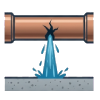
Burst Pipe
Pipe failures inside walls or under slabs can saturate framing and concrete for days before discovery.

Storm Damage
High winds and flooding push water into building fabric through gaps, cracks and damaged cladding.

Appliance Flood
Washing machines, dishwashers and hot water systems saturate cabinetry, walls and subfloors when they fail.
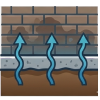
Rising Damp
Persistent ground moisture or an undetected slow leak causes ongoing saturation of structural materials.
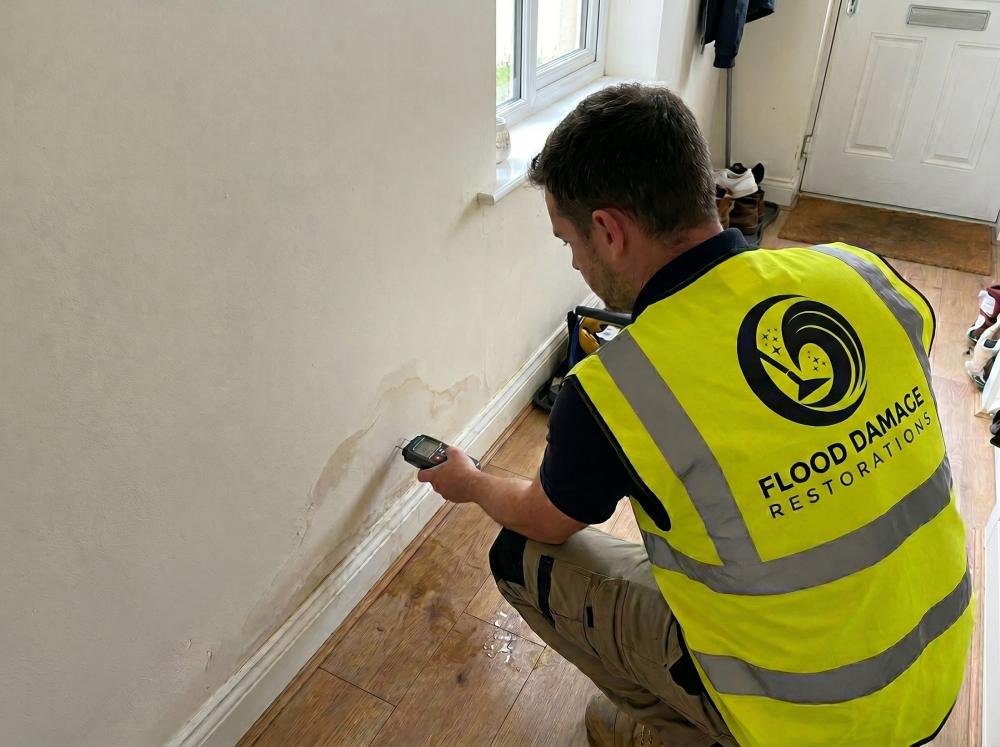
Moisture mapping explained
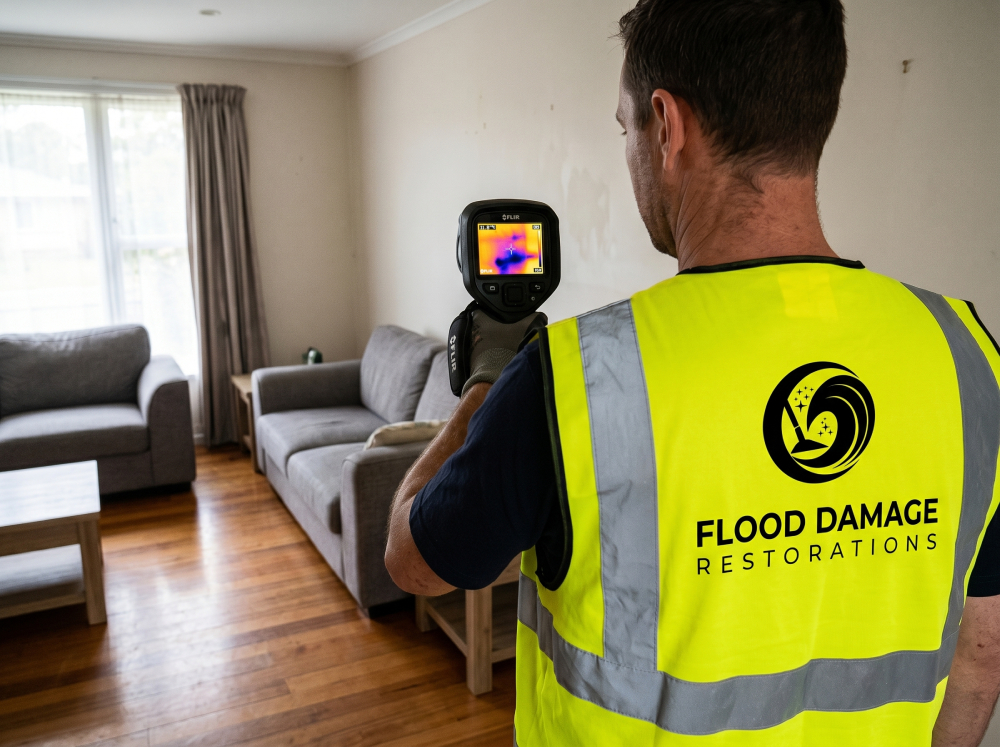
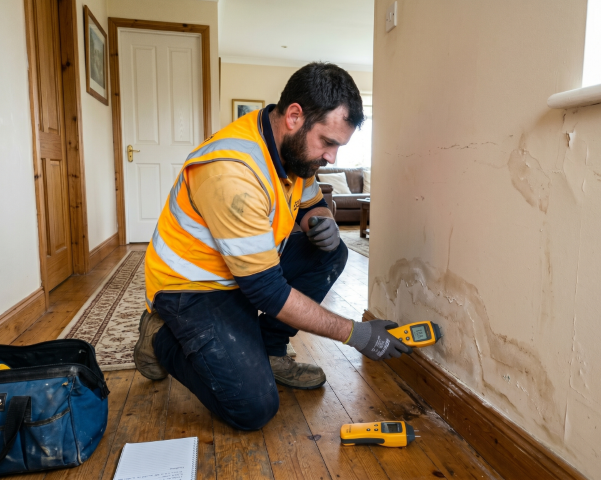
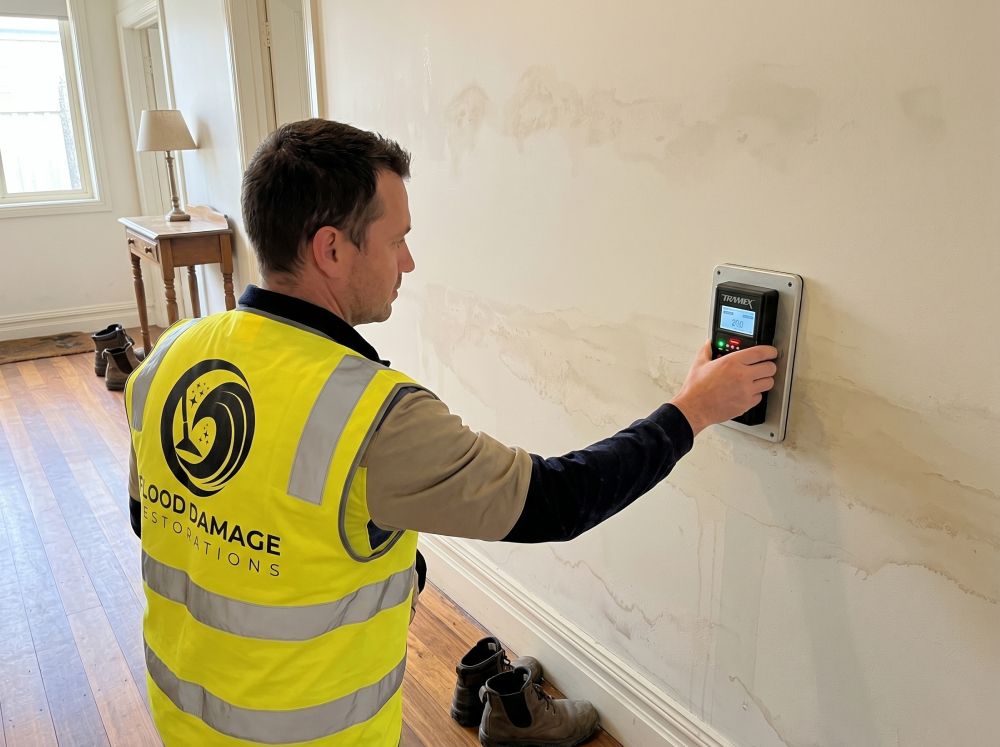
Before we start drying, we need to see exactly where the moisture is hiding. That’s where moisture mapping comes in.
We use:
- FLIR thermal imaging cameras to detect temperature differentials (cold = wet)
- Tramex and Protimeter moisture meters for scanning large areas
- Pin-probe readings to confirm internal saturation
This process lets us:
- Target drying gear more effectively
- Avoid unnecessary damage to unaffected zones
- Provide insurer-grade evidence of the extent of damage
If your claim needs backup, this map becomes your proof.
In-place drying: How we do it
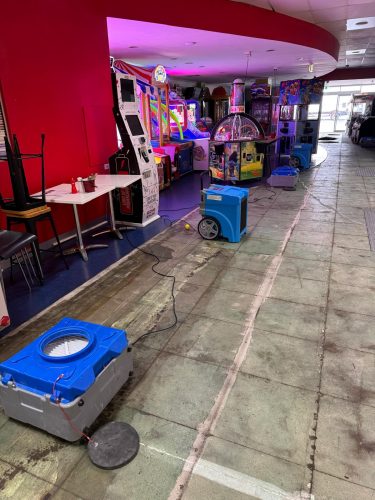
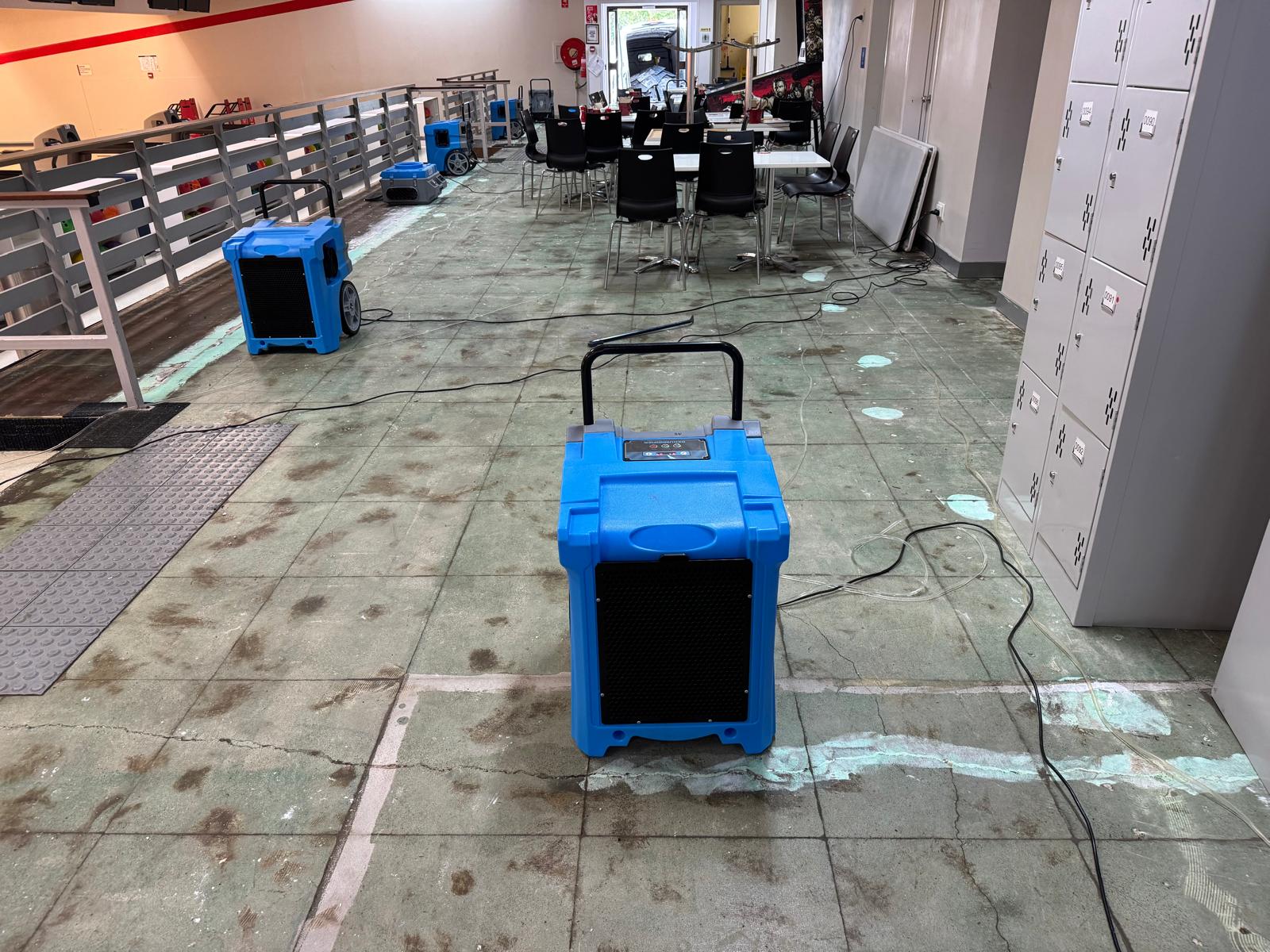
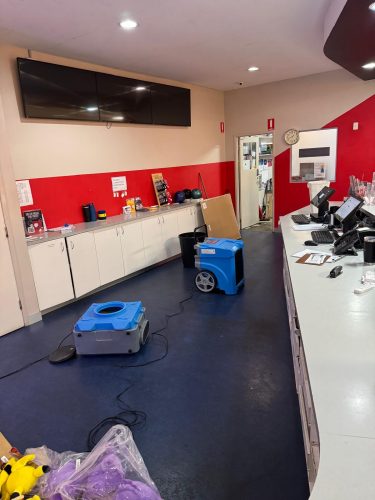
Gone are the days of ripping everything up. Our in-place drying systems let us dry wet materials without full removal. We set up equipment like:
- Low-profile centrifugal air movers – high airflow, low noise
- LGR and desiccant dehumidifiers – tailored to humidity and temp
- Injectidry systems – perfect for behind walls or under hardwood
These setups can be surprisingly compact — ideal for tight rooms or occupied properties.
We monitor everything with daily readings, adjust as needed, and keep full psychrometric logs accepted by insurers.
Step-by-step process
Here’s how it all works:

Arrival & inspection
We assess the damage within an hour of arriving.
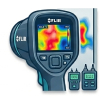
Moisture mapping
FLIR + meters to determine the extent.

Equipment setup
Air movers, dehumidifiers, drying mats.
Daily monitoring
Adjust placement, log moisture levels.
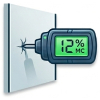
Final readings
Moisture levels confirmed dry across all affected materials.

Report & handover
Full psychrometric log and insurer-ready documentation provided.
All of this happens fast, with minimal disruption — and no guesswork.
Why choose us
We’re not just chucking in fans and hoping for the best. We’ve spent over 10 years perfecting the process. Here’s what makes us different:
1-Hour Response
24/7 Availability
IICRC Certified (WRT + ASD)
No Demolition Required
Insurance Reports
FLIR Thermal Imaging
We’re here to get your property dry, safe, and ready for what comes next.
Standards Australia also backs us up. According to AS/NZS 3660, reinstatement shouldn’t start until subfloor relative humidity is under 60% — and we make sure of that.
Health Risks of Untreated Structural Moisture
Moisture trapped inside building materials doesn’t stay put. Left untreated, it creates conditions that are dangerous for your health and expensive for your property.
Case Study:
Saving hardwood floors after a pipe burst
A riverfront apartment in Parramatta had a burst flexi hose that flooded the kitchen and lounge room. Timber floors were already showing signs of cupping when we arrived.
We were on site within 45 minutes. Moisture mapping showed the full floor area affected, including under the skirting boards. Instead of ripping out the boards, we used an Injectidry system paired with desiccant dehumidifiers.
After five days of continuous drying and adjustments, the timber moisture levels were back down to 11.8%. The flooring contractor confirmed no reinstallation was needed.
“Honestly, I thought the floors were gone. These guys saved them. No BS, just results.”
— Leo, Parramatta
Frequently Asked Questions
We usually start within 60 minutes of arrival. Drying gear gets set up on the first visit.
Some gear is bulky, but we place it to minimise disruption. Most setups fit around furniture or in tight corners.
If you’re insured, your provider usually covers structural drying as part of a water damage claim. We give you a full report to submit.
It covers moisture levels before and after, photos, psychrometric logs, and equipment used. Insurers use it to verify successful drying.
In most cases, yes. Structural drying is typically covered under building insurance for water damage events. We provide full psychrometric logs and moisture reports in an insurer-accepted format. We can liaise directly with your insurer if needed.
Not usually. Our in-place drying systems use Injectidry panels, drying mats and wall-cavity injection to dry materials without demolition in most cases. We only recommend removal where materials are beyond saving or where hidden mould is confirmed.
Need structural drying now?
Call 1300 155 151 — we answer 24/7. Or contact us online for a quick response